Columbia Student’s Interview Cheating Tool Sparks Controversy, Raises $5.3M
Columbia Student Suspended Over Interview Cheating Tool, Raises $5.3M to ‘Cheat on Everything’
A Columbia University student, implicated in the development of an AI-powered interview cheating tool, has reportedly been suspended, yet has simultaneously managed to secure $5.3 million in funding for the controversial project. This according to TechCrunch
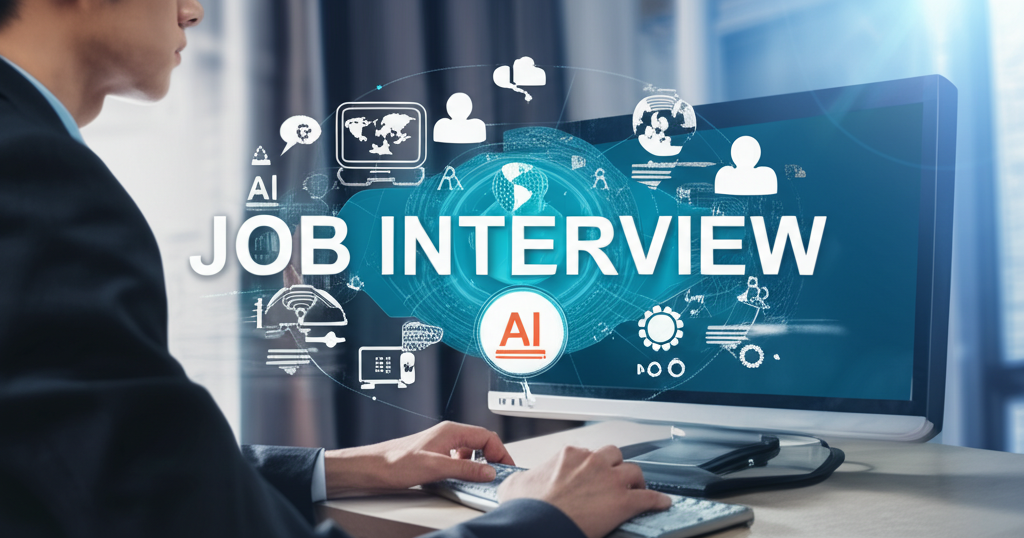
The tool, designed to provide real-time assistance during job interviews, has drawn sharp criticism for its potential to undermine the integrity of the hiring process and promote academic dishonesty. The tool markets itself as a means to ‘cheat on everything’.
According to sources, the student, whose name has been withheld, allegedly violated the university’s code of conduct by creating and promoting a tool that enables users to gain an unfair advantage in academic and professional settings. The suspension follows an internal investigation into the tool’s development and distribution.
Despite the ethical concerns and disciplinary action, the project has attracted significant investor interest, closing a $5.3 million funding round led by prominent venture capital firms. Investors reportedly see potential in the tool’s ability to enhance performance and efficiency in various domains, including education, recruitment, and professional development. While the name of the investors has not been made public.
The tool’s functionality includes real-time access to relevant information, automated response generation, and personalized coaching, all tailored to the specific context of the interview or assessment. Users can input prompts or questions, and the tool will provide instant, AI-generated answers and guidance.
The controversy surrounding this tool highlights the growing ethical dilemmas posed by AI-driven technologies and the need for clear guidelines and regulations to prevent misuse and ensure fairness. The incident also raises questions about the role of universities in addressing academic misconduct in the age of AI.
Critics argue that such tools not only undermine the value of hard work and genuine achievement but also create an uneven playing field where those with access to advanced technology have an unfair advantage. Concerns have also been raised about the potential for bias and discrimination in AI-generated responses, as well as the erosion of critical thinking and problem-solving skills.
The long-term implications of this technology are still unclear, but it is likely to spark further debate about the ethical boundaries of AI and the need for responsible innovation. The tool is still available for use at the time of writing.