Nvidia reportedly plans to release new AI chip designed for China
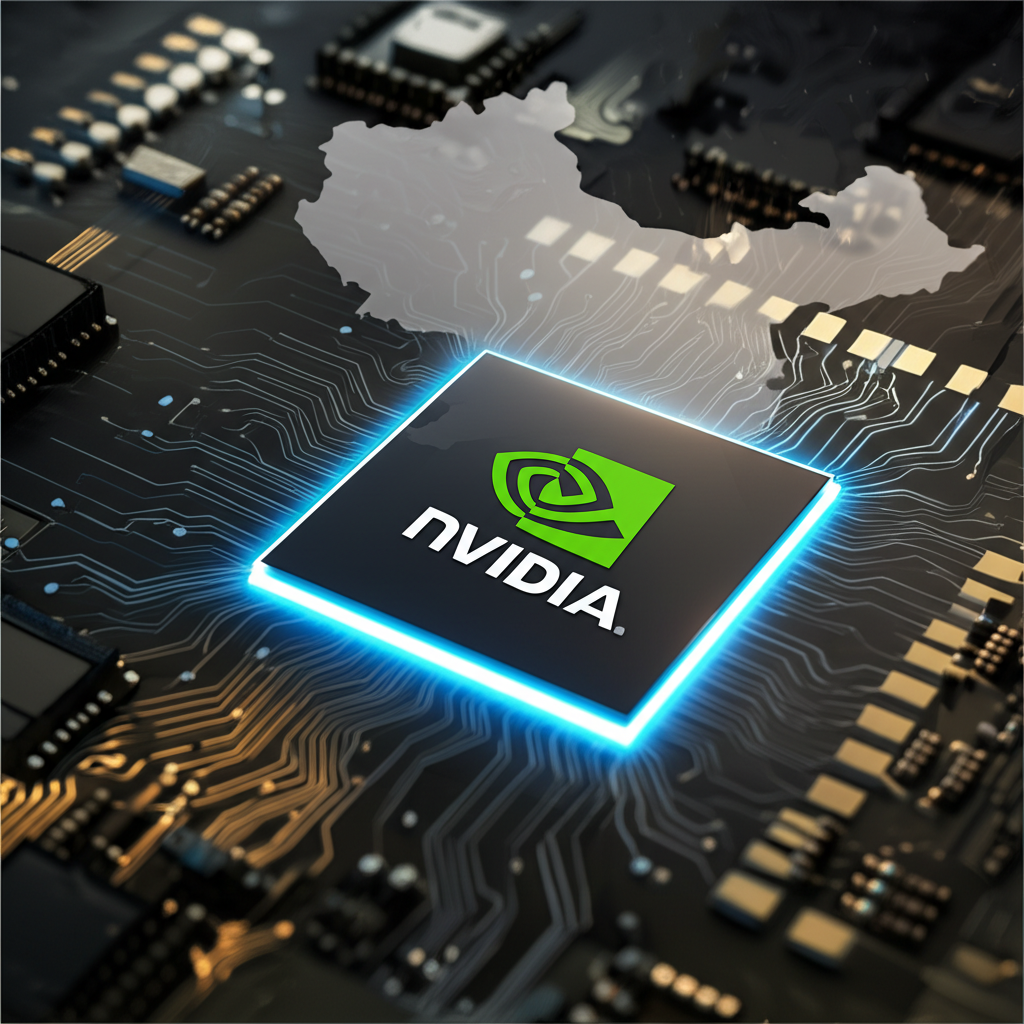
In a strategic move to re-establish its presence in the crucial Chinese market amidst stringent U.S. export restrictions, semiconductor giant Nvidia is reportedly planning to release a new Artificial Intelligence (AI) chip specifically designed for China. This development, first reported by the Financial Times, signals Nvidia’s determination to navigate the complex geopolitical landscape shaping the global tech industry.
Sources indicate that the new AI chip could be launched as early as September. It is understood to be based on Nvidia’s existing Blackwell RTX Pro 6000 processor, meticulously modified to comply with the current U.S. regulations governing AI chip exports to China. Crucially, this adapted chip will notably omit high-bandwidth memory (HBM) and NVLink, Nvidia’s proprietary high-speed, low-latency communication interface – features characteristic of the company’s most advanced AI offerings.
This initiative follows recent statements from Nvidia CEO Jensen Huang, who last month indicated the company would no longer include the Chinese market in its revenue and profit forecasts, seemingly acknowledging the impact of export controls. The introduction of this tailored chip, however, suggests a renewed effort to maintain a foothold in a market previously deemed highly challenging.
When approached for comment, Nvidia declined to provide an official statement. However, a spokesperson did offer insight into the company’s perspective on the market dynamics. “With the current export controls, we are effectively out of the China datacenter market, which is now served only by competitors such as Huawei,” the spokesperson stated. They further emphasized the importance of China’s developer ecosystem: “China has one of the largest populations of developers in the world, creating open-source foundation models and non-military applications used globally. While security is paramount, every one of those applications should run best on the U.S. AI stack.”
This strategic adaptation highlights the ongoing balancing act faced by U.S. technology companies, striving to comply with government restrictions while preserving access to one of the world’s largest and most dynamic technology markets. The success of this new chip will be closely watched as a bellwether for future U.S.-China tech relations.