20 National Security Experts Urge Trump Administration to Restrict Nvidia H20 Sales to China
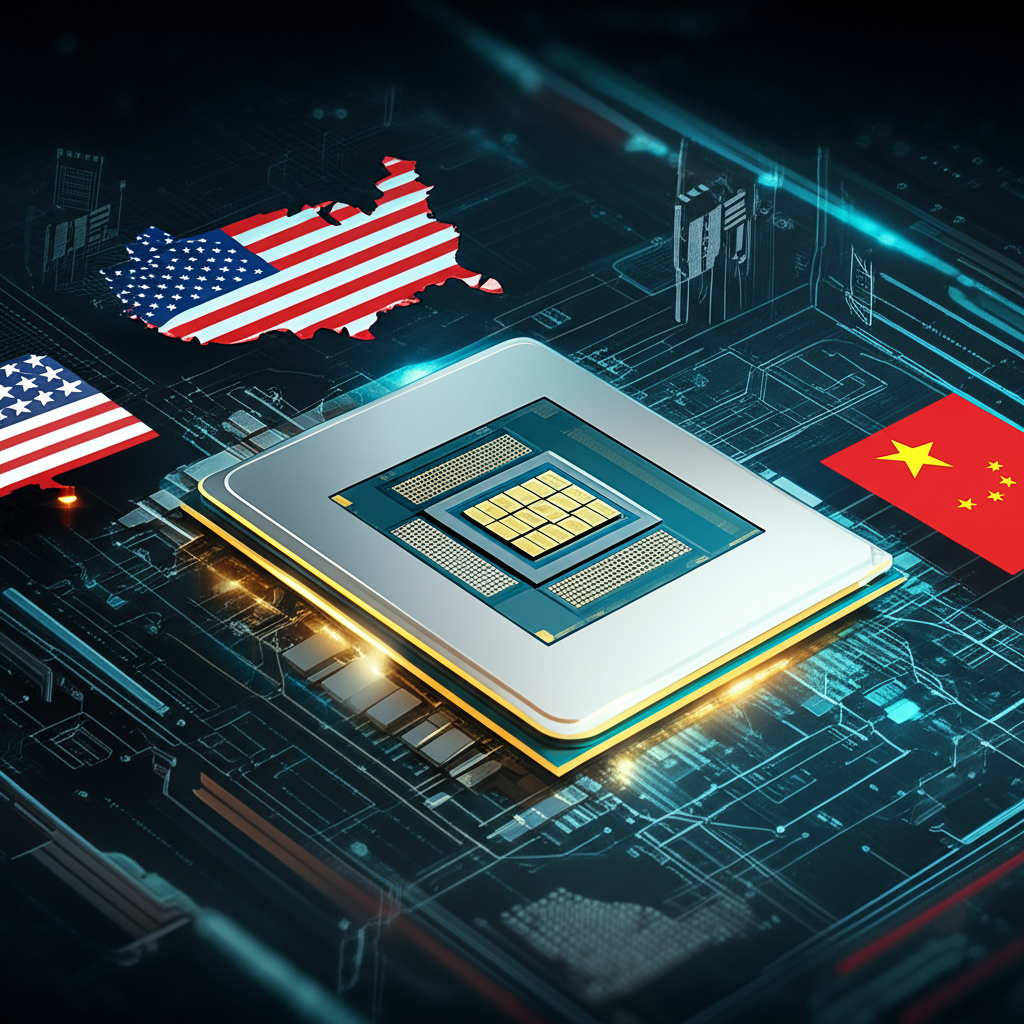
A significant point of contention has emerged regarding the Trump administration’s recent decision to allow Nvidia to resume selling its H20 advanced AI chips in China. This move has drawn immediate and strong criticism from a coalition of 20 national security experts and former government officials, who argue it represents a “strategic misstep” with profound implications for U.S. technological leadership and national security.
In a forceful letter addressed to U.S. Department of Commerce Secretary Howard Lutnick on Monday, the group pressed the administration to reverse its controversial decision to let Nvidia resume selling its H20 AI chips in China.
Their core argument centers on the H20 chip’s true capabilities, which they contend are far from benign. Contrary to any downplaying, the experts emphasize that the H20 is “a potent accelerator of China’s frontier AI capabilities, not an outdated AI chip.” Specifically designed to circumvent existing export control thresholds, the H20 excels in AI inference—the critical process enabling the dramatic gains seen in the latest generation of advanced AI reasoning models. Alarmingly, for inference tasks, the H20 reportedly “outperforms even the H100,” an AI chip already restricted by the administration due to its advanced capabilities.
The letter outlines several critical concerns. Firstly, they warn that allowing H20 chip sales to China will exacerbate the existing AI chip bottleneck within the United States. Secondly, there is a clear apprehension that these advanced chips could be directly leveraged to bolster China’s military capabilities. Lastly, the experts argue that this decision risks weakening the overall framework of U.S. chip export controls, setting a dangerous precedent.
Reaffirming a prior stance, the letter states, “The decision to ban H20 exports earlier this year was the right one.” The signatories urge the administration to adhere to this principle, emphasizing that continued blocking of advanced AI chip sales to China is not merely a trade issue but “a question of national security” crucial for America to maintain its technological edge.
Prominent signatories include Matt Pottinger, the former deputy national security adviser during Trump’s first term; Stewart Baker, the former assistant secretary of Homeland Security under George W. Bush; and David Feith, a former member of the National Security Council, among others.
This urgent appeal comes in the wake of the Department of Commerce’s decision two weeks prior, granting Nvidia permission to resume H20 sales. This approval was reportedly linked to ongoing trade discussions with China concerning rare earth elements. At the time, Secretary Lutnick had attempted to minimize the H20’s significance, describing it as Nvidia’s “fourth best” AI chip.
The timing of this letter also coincides with the Trump administration’s recent unveiling of its AI Action Plan. While the plan highlighted the necessity of U.S. AI chip export restrictions, it notably “lacked key details” regarding the specifics of these controls, further fueling concerns among national security advocates.