YouTube prepares crackdown on ‘mass-produced’ and ‘repetitive’ videos, as concern over AI slop grows
YouTube is taking decisive action to curb the proliferation of “inauthentic” content on its platform, announcing upcoming policy updates aimed at restricting the monetization of mass-produced and repetitive videos. This move comes amid growing concerns over the surge of low-quality, AI-generated content, often referred to as “AI slop.”
Effective July 15, the YouTube Partner Program (YPP) Monetization policies will undergo revisions to provide clearer guidelines on what content qualifies for revenue generation. While YouTube has always required creators to upload “original” and “authentic” content, these updates are designed to help creators better understand how “inauthentic” content manifests in the current digital landscape, especially with advancements in AI technology.
Initially, some creators voiced apprehension that the policy changes might impact their ability to monetize formats like reaction videos or those incorporating existing clips. However, Rene Ritchie, YouTube’s Head of Editorial & Creator Liaison, clarified that this is not the case. In a recent video update, Ritchie described the change as a “minor update” to existing YPP policies, specifically targeting content that is mass-produced or overly repetitive—types of content that have historically been ineligible for monetization due to their spam-like nature.
Despite YouTube’s downplaying of the policy shift as “minor,” the underlying reality is the increasing ease with which such videos can now be created using AI. The platform has seen a significant influx of “AI slop”—low-quality media predominantly generated by artificial intelligence. Examples abound: AI-generated voices overlaid on stock photos or repurposed video clips, facilitated by text-to-video AI tools. Disturbingly, some channels featuring AI-generated music have garnered millions of subscribers, and fake, AI-produced videos concerning major news events, such as the Diddy trial, have attracted millions of views. Earlier this year, a viral true crime murder series on YouTube was exposed as entirely AI-generated.
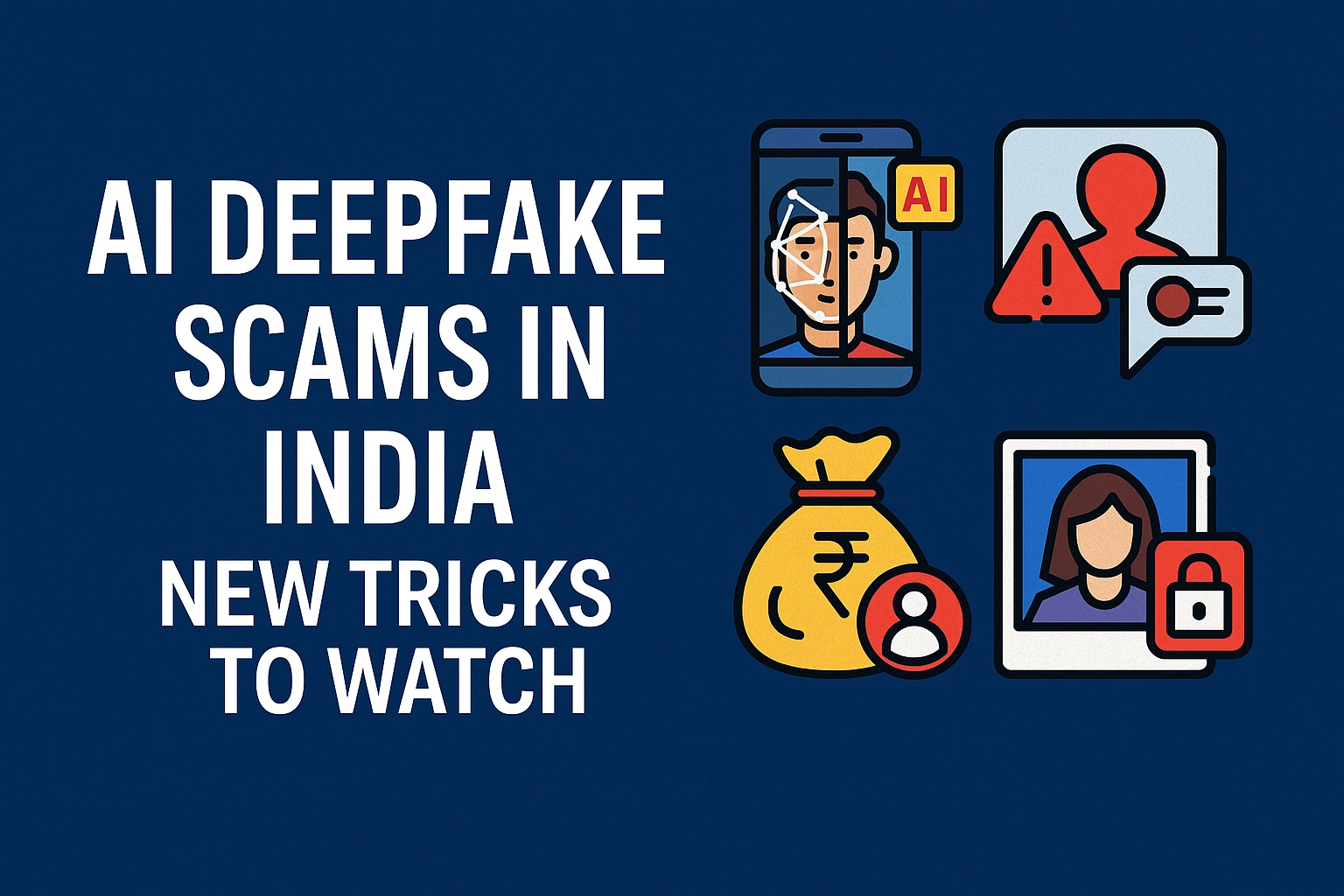
The severity of the issue is further highlighted by instances where the likeness of YouTube CEO Neal Mohan himself was utilized in an AI-generated phishing scam on the site. While YouTube has tools in place allowing users to report deepfake videos, the sheer volume and sophistication of AI-generated content pose a considerable challenge.
Ultimately, YouTube’s forthcoming policy adjustments, whether labeled minor or significant, are a crucial step towards safeguarding the platform’s integrity and value. Allowing the unchecked growth and monetization of AI slop could severely damage YouTube’s reputation. These clearer policies are essential for enabling the company to effectively ban creators of such content from the YPP, ensuring a more authentic and valuable experience for both viewers and legitimate creators.